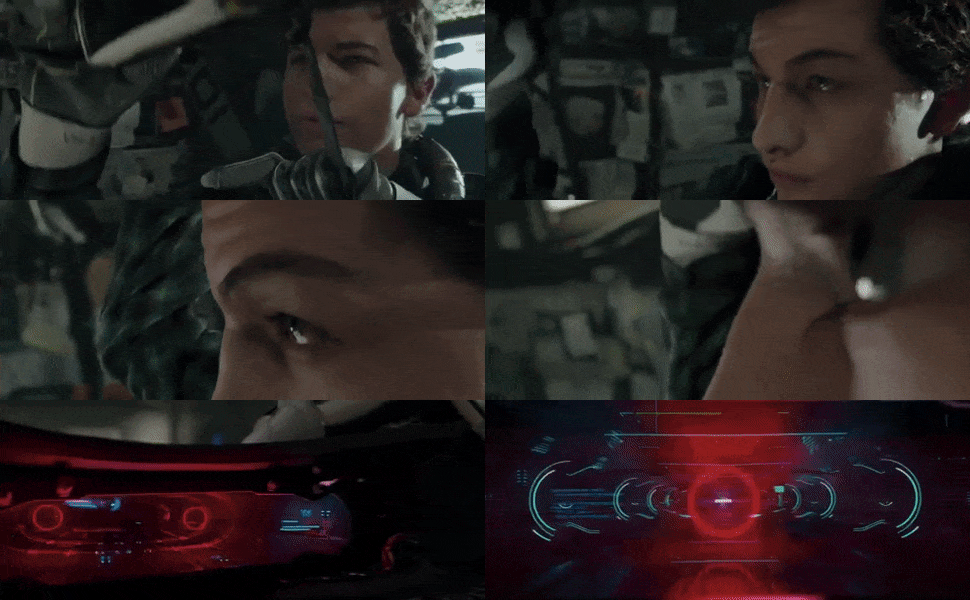

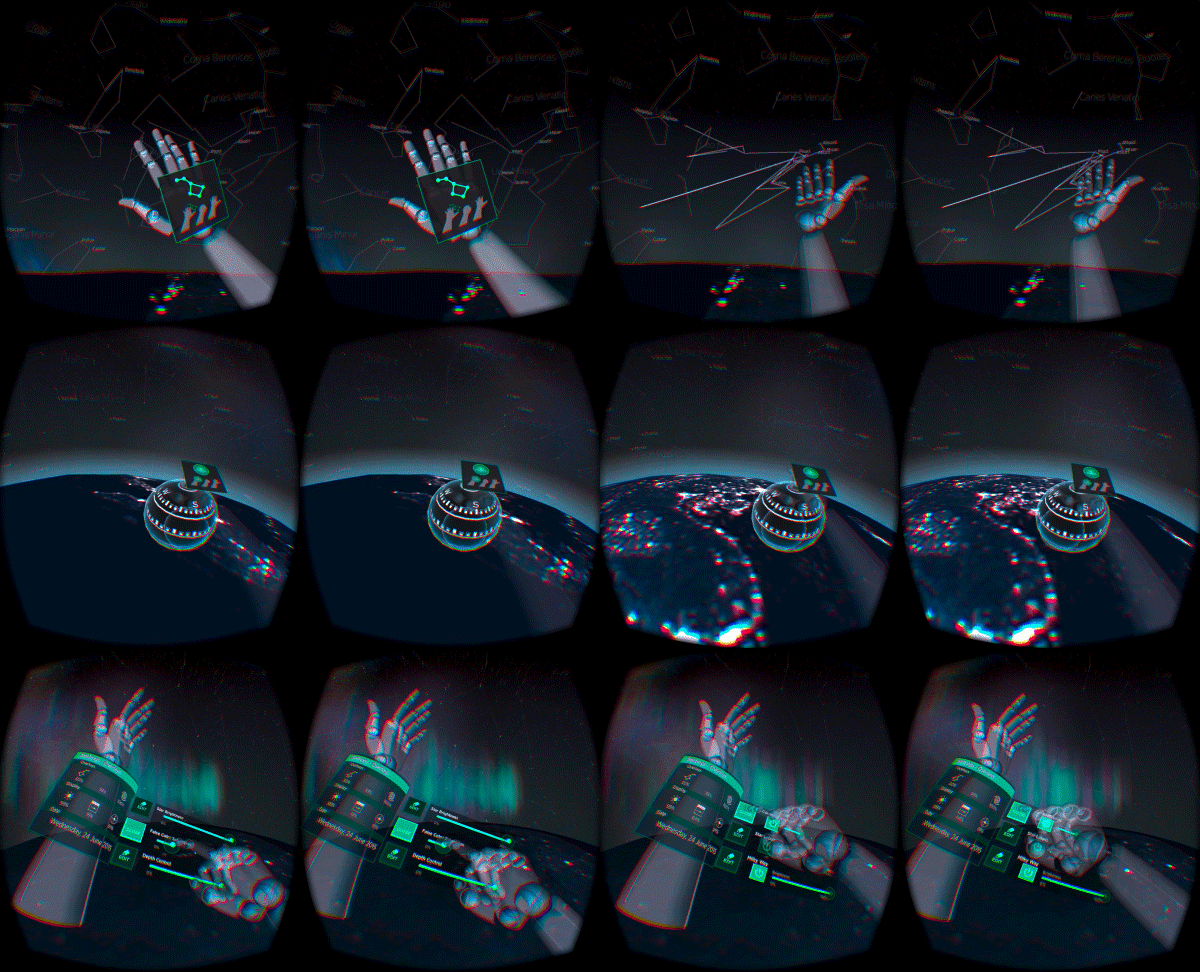
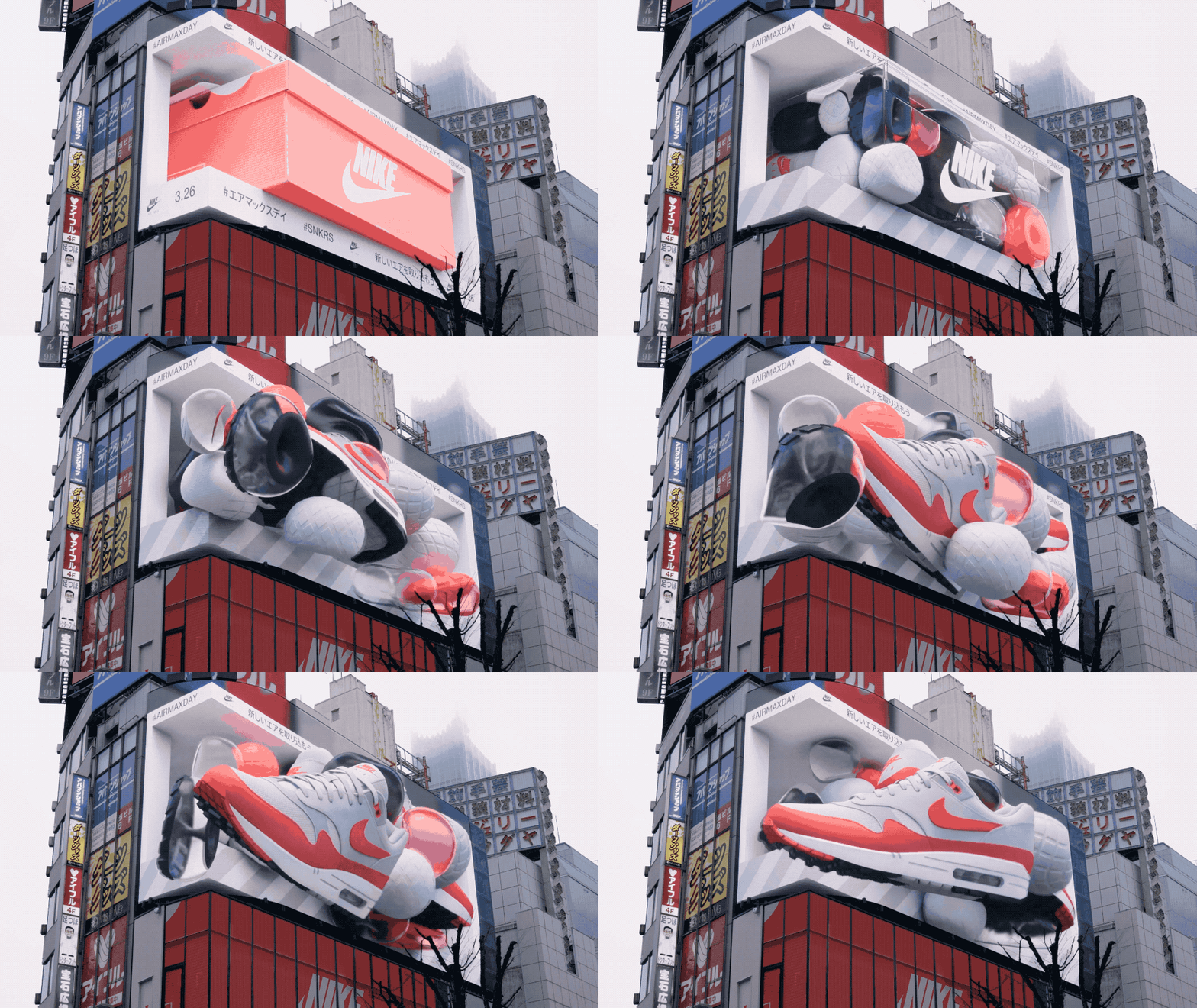
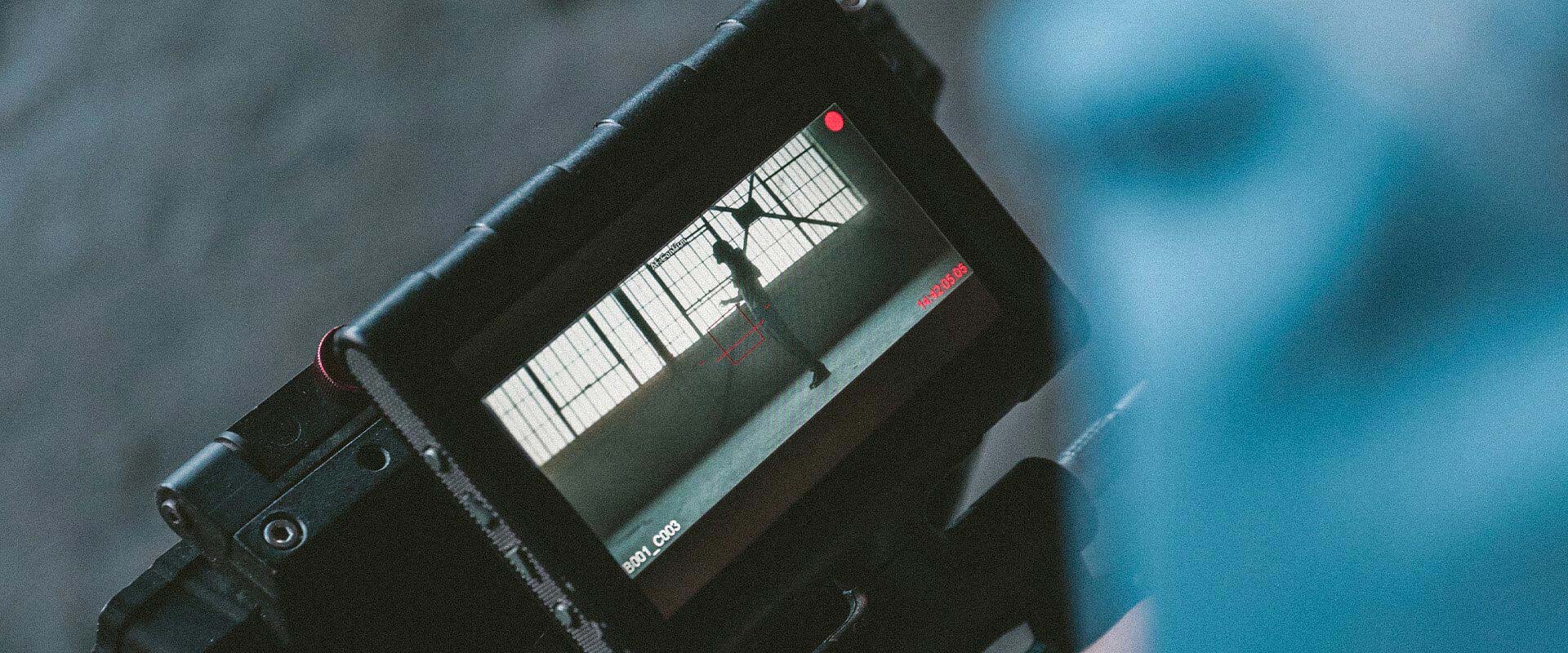
Design is a vast field with numerous specialized disciplines, each bringing a unique flair to the creative process: from graphic and web design to user experience and user interface design. Among these, we have the youngest sibling – motion design – an enchanting blend of art and digital technology.
Motion design is a sub-discipline that combines graphic design principles, animations, and video effects to produce materials for video production. It finds its greatest expression in the world of film and television.
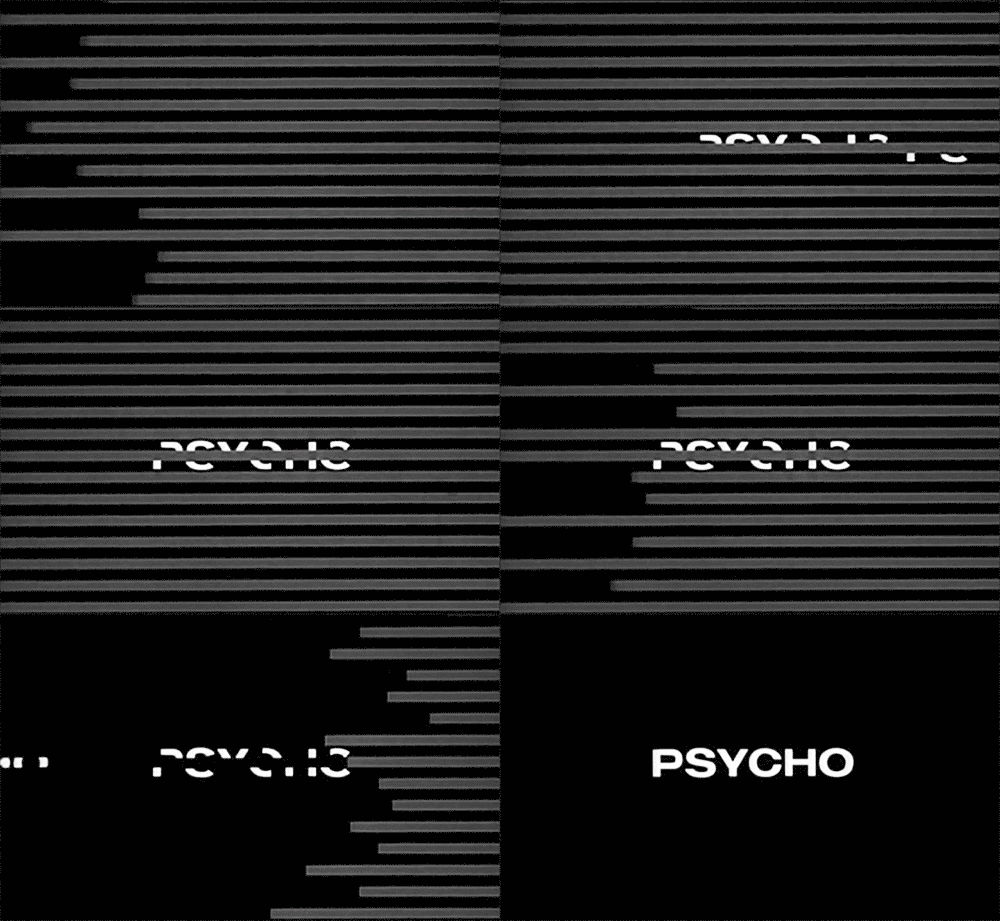
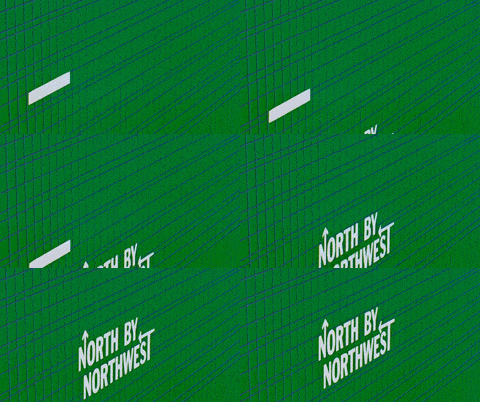
(title sequences for movies Psycho and North by Northwest by Saul Bass)
You may not realize it, but those dynamic visuals breathe life into your favorite movies and TV shows, making them even more unforgettable.

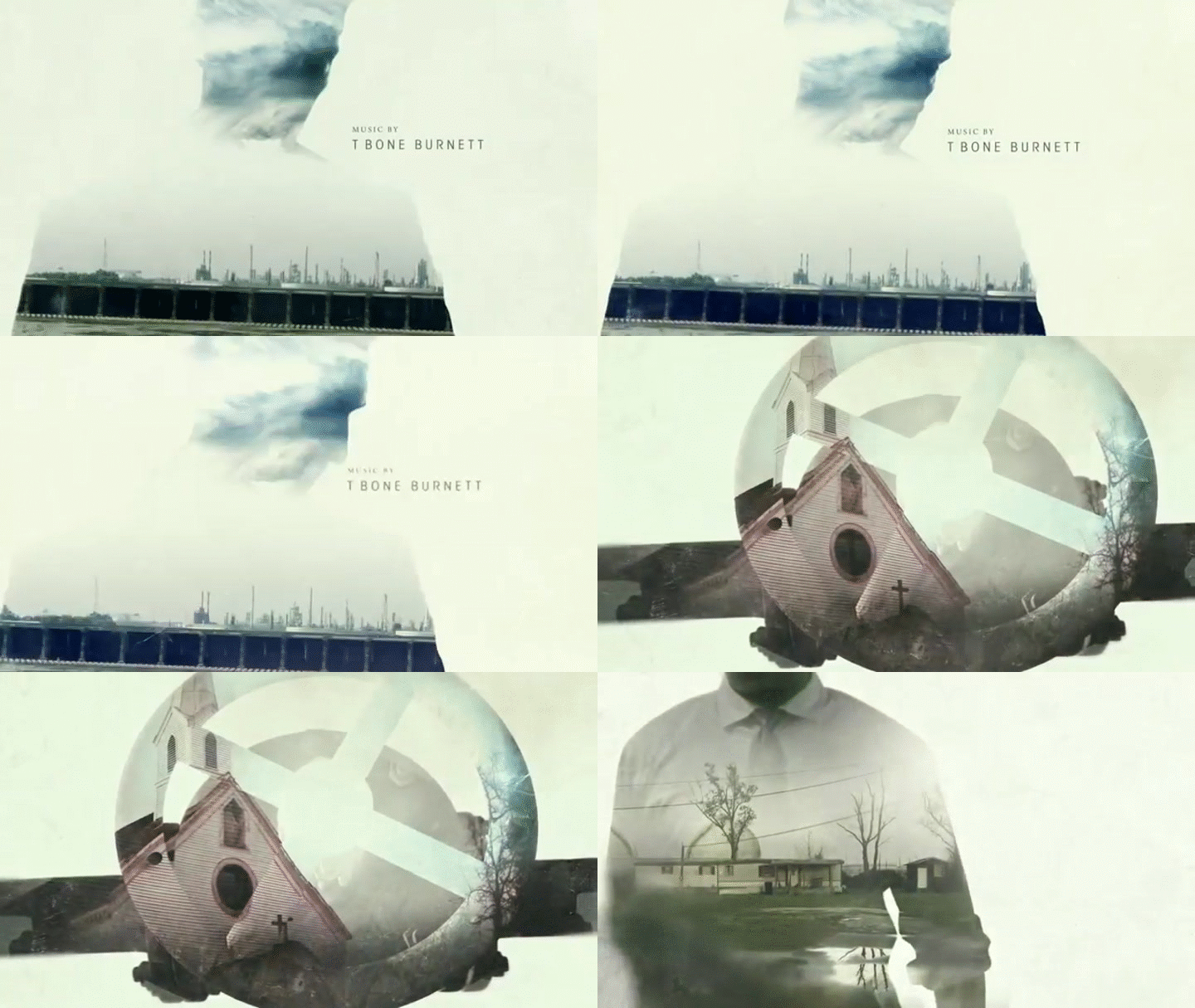
(title sequences from movies Seven by Kyle Cooper and tv series True Detective by Patric Clair)
What makes motion design special is its ability to add the dimension of time to its creations, bringing a whole new level of impact and making conveyed messages impressive and memorable. By carefully blending images or videos with bold headlines and text, motion design ensures your message reaches your target audience uniquely and compellingly.
But as the technology and marketing landscape continues to evolve and advance, one cannot help but wonder: what lies ahead for the future of motion design?
While the previous generation was accustomed to experiencing time-based art and advertising through TV, movie theaters, films, shows, and cartoons, the newer generations have grown up in an era of interactivity, with video games becoming a prominent part of their lives. This shift opens up exciting possibilities as motion graphics embrace a new dimension – interactivity.